Retirement has loomed large in my life these past months.
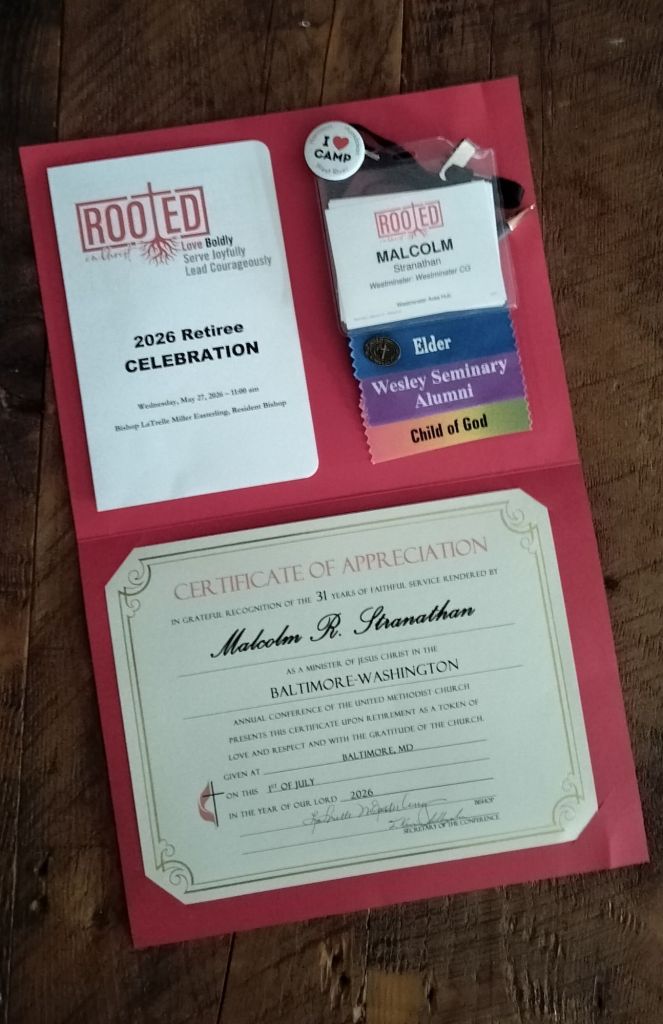
The decision to step away from active ministry as a pastor of a local church is entirely my own, though there have been several influences along the way. First and foremost is Jacki, who has encouraged me to take this next step. Then there is the desire to spend more time with family, especially our grandchildren who currently live in England. And there is the reality of genetics. My parents, and most of their parents, died in their sixties and seventies. While I am healthier than many of them were at my age, I am also aware that life can turn on a dime. The years we imagine stretching before us can suddenly become much shorter than expected.
For me, retirement is not about stopping. It is about making the most of the time I have been given.
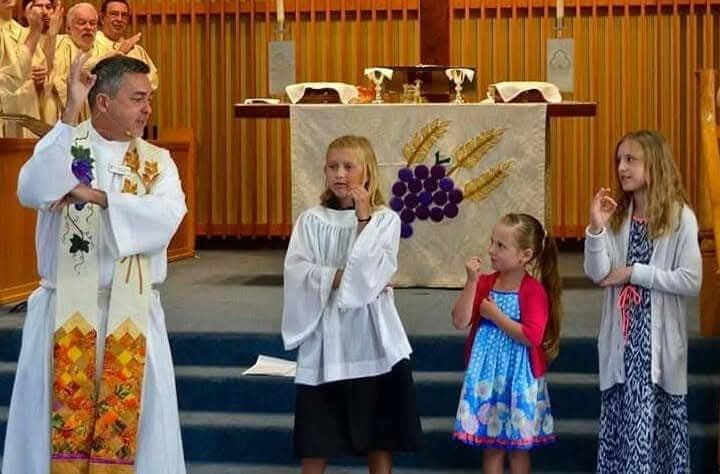
Eleven years ago, I was invited to return to my home church and serve as its lead pastor. The congregation had experienced five pastors in the previous three years and was hoping for stability. At the time, I promised that if appointed, I would stay until retirement age.
On Sunday, July 5, 2015, I walked into a full sanctuary to begin that chapter. On June 14, 2026, I will stand before that same congregation for the last time as its pastor. Between those two dates lies more than can possibly be captured in a single blog post.
My retirement date shifted more than once because of a pandemic and the turmoil surrounding the separation within the United Methodist Church. I had agreed to remain for two years after the denomination’s long season of conflict had settled, and I am grateful that I was able to do so.
Looking back, I find myself less interested in recounting accomplishments and more interested in celebrating the faithfulness of God.
When I arrived, the congregation faced significant financial challenges. Together we navigated difficult decisions, including the sale of a portion of church property, which replenished reserves, improved our facilities, and provided resources for future ministry.
More importantly, God led us into a deeper understanding of what it means to be Christ’s church. We embraced the work of becoming an anti-racist congregation. We became a Lighthouse Congregation, welcoming those who wished to remain United Methodist when their home churches departed. Most recently, we became a Reconciling Ministry congregation, publicly affirming that all people—including our LGBTQ+ siblings—are welcomed, valued, and loved.
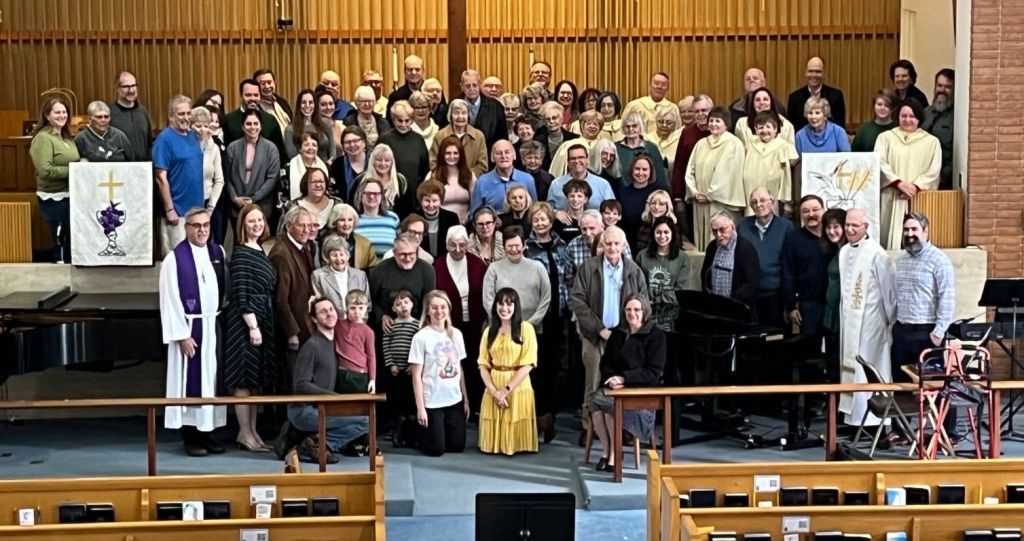
Today, I leave a congregation that is financially stable, spiritually healthy, and looking toward the future with hope. The next pastor will bring gifts and energy uniquely suited for the next chapter. I am genuinely excited for what lies ahead for them and for the church.
Yet alongside that excitement sits a surprising sadness.
Since announcing my retirement, I have experienced a growing sense of ambivalence. Is this really the right time?
Most retirees assure me that when the time comes, you simply know. Perhaps they are right. Many clergy retiring this year are already seeking new appointments. I have no desire to do that. In fact, my lack of interest in continuing active pastoral work may be the clearest indication that this is indeed the right season.
Still, there is grief.
A retired pastor friend once shared that shortly after retirement, someone asked what people should call her now that she was no longer their pastor. That question struck me deeply because it touches the heart of what I am wrestling with.
For more than thirty years, my identity has been intertwined with being a pastor. It has shaped my calendar, my relationships, my purpose, and even my understanding of myself.
Some friends insist, “Of course you’ll always be a pastor.”
Perhaps that is true in one sense. Yet it is also true that something is ending. A shepherd without a flock is no longer serving in the same way. Retirement means moving from a clearly defined role into something far less certain. There is freedom in that, but there is also loss.
Many people have asked what we plan to do in retirement. A friend refers to this as “the doing question.”
Her advice to retirees is simple: take a year before making any major commitments. Let the land lie fallow.
That image resonates with me.
Sabbath is not doing nothing. Sabbath is intentionally stepping away from what has always filled our days so that God can reveal what comes next. It is making room for rest, renewal, and discovery. It is learning a different rhythm.
So yes, we do have plans.
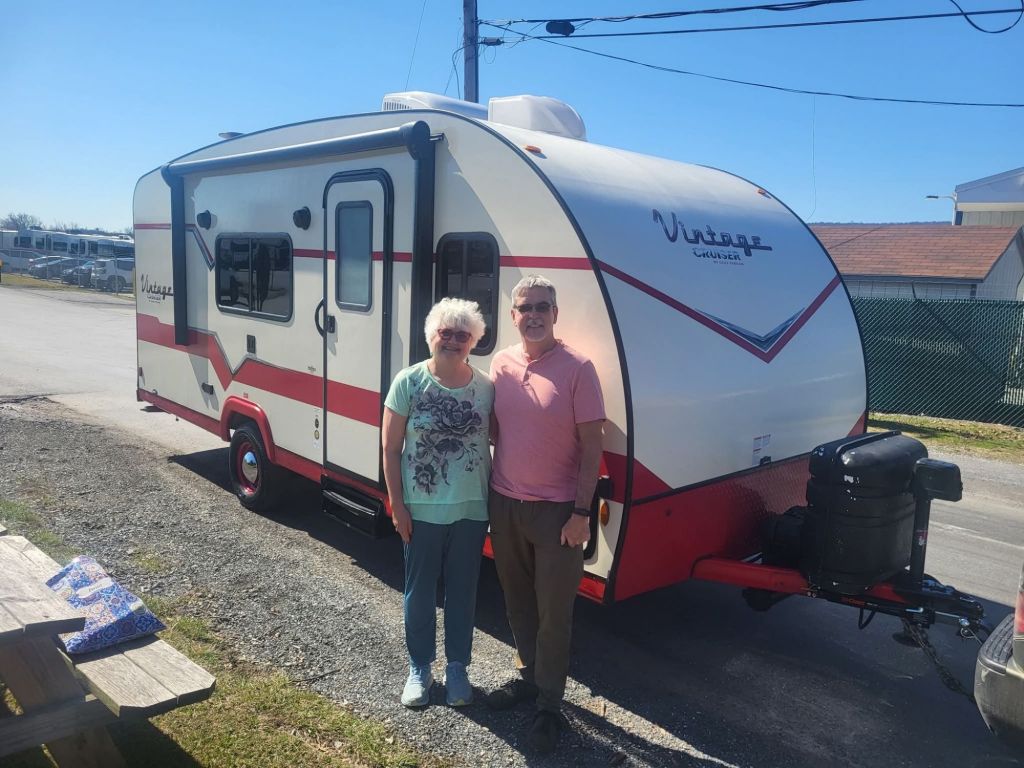
We recently purchased a travel trailer and hope to journey west to visit our son. Later in the year, we plan to spend several months abroad with our daughter’s family, enjoying time with our grandchildren and exploring parts of Europe.
After that?
I honestly do not know.
There are projects around the house waiting for attention. There are places yet unseen. There are books yet unread. There are conversations yet to be had.
And beyond that, God has not yet revealed the next chapter.
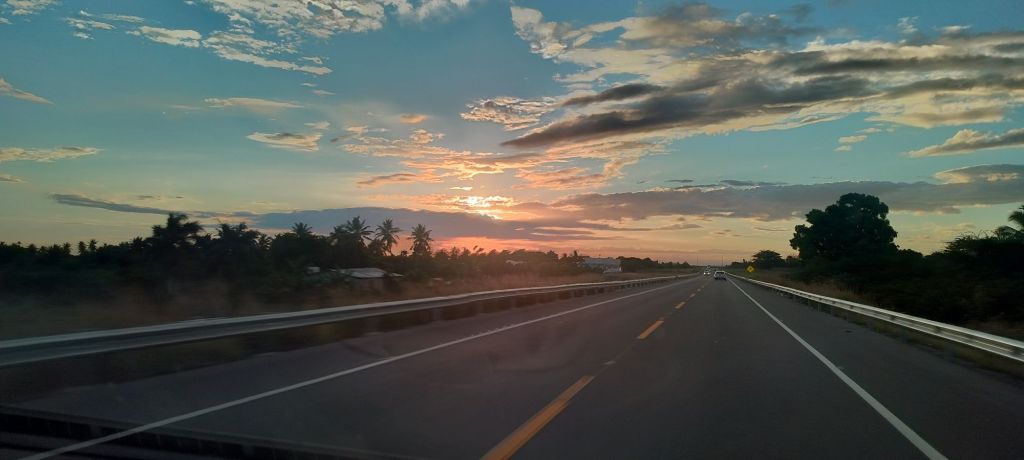
For now, I find myself standing on the edge of an open horizon—grateful for the road behind me, hopeful for the road ahead, and curious to discover where God may lead next.
I hope you’ll join us for the journey.


 So(ul)journ!
Leave a comment